PFAS: the new European standard comes into force in Luxembourg
Since January 2026, tap water must comply with a combined limit for 20 PFAS. What this changes.
An unprecedented standard at European level
Directive 2020/2184 introduces, for the first time, a regulatory limit on PFAS in tap water: 100 ng/L combined for 20 compounds. This standard came into application in January 2026 in all EU Member States, including Luxembourg.
PFAS are nicknamed forever chemicals: they barely break down in the environment or in the human body.
Consequences for water suppliers
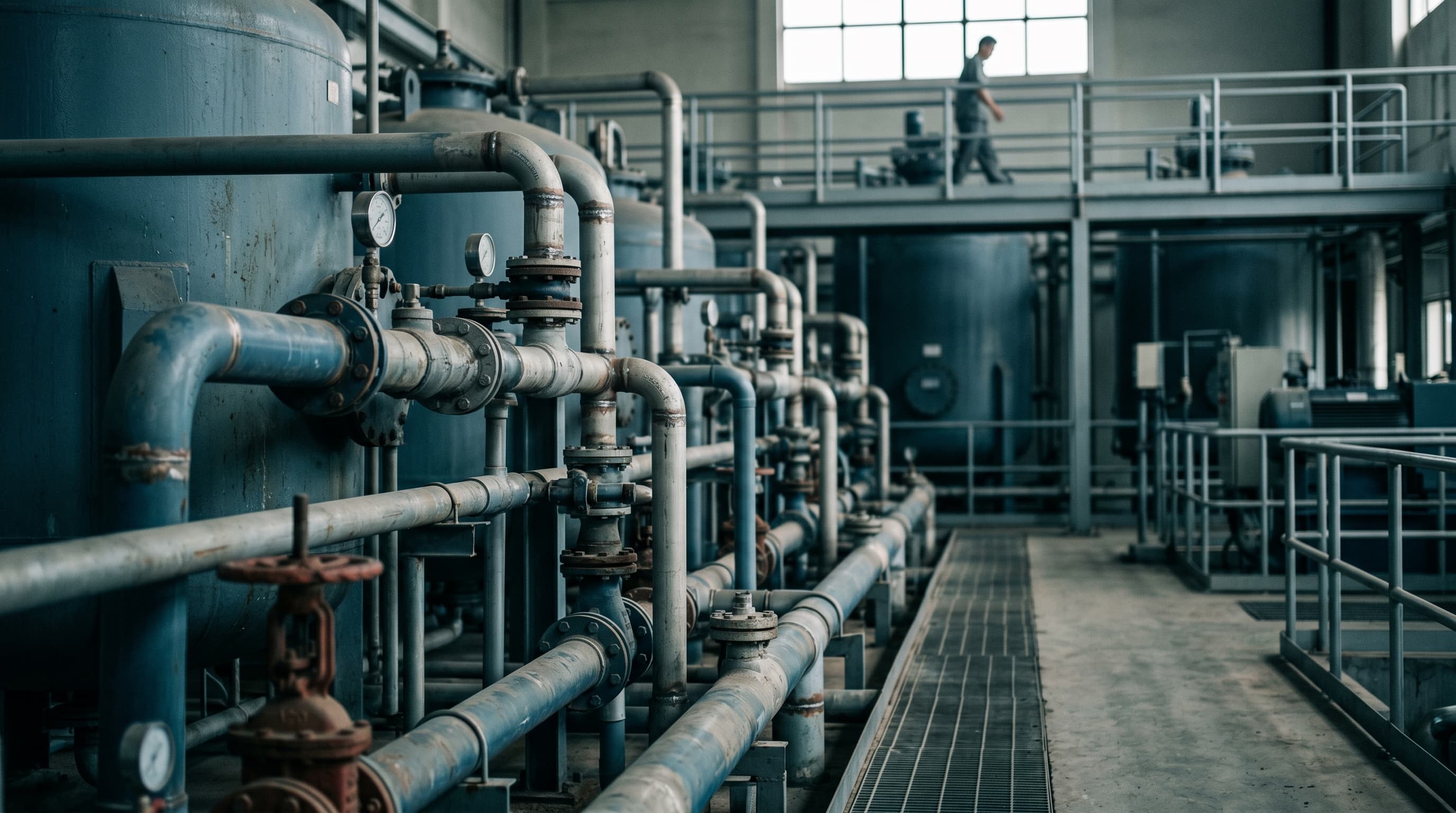
The Water Management Administration and the water boards must now include PFAS in their regular monitoring. Investments in activated-carbon and reverse-osmosis filtration technologies are expected at the level of the treatment plants.
| Technology | PFAS reduction | Scale |
|---|---|---|
| Activated carbon (GAC) | High | Network and home |
| Reverse osmosis | 90–99 % | Home (under-sink) |
| Ion exchange | High | Network |
| Standard softener | None | Home |
And for you, at home?
If you live near areas where firefighting foams were historically used (airports, military barracks) or near certain industrial facilities, prudence suggests fitting an under-sink reverse-osmosis unit today. It is also the simplest way to get ahead of any future regulatory changes.
Frequently asked questions
What exactly are PFAS?
PFAS are a family of several thousand per- and polyfluoroalkyl substances used in industry (non-stick coatings, textiles, firefighting foams). They are nicknamed forever chemicals because they persist for a very long time in water and in the body.
Is tap water in Luxembourg dangerous?
Since January 2026, distributed water must comply with the limit of 100 ng/L combined for 20 PFAS. Controls have been reinforced and the water remains legally compliant; the risk is mainly local, near historic contamination sources.
Does a water softener remove PFAS?
No. A standard softener treats limescale through ion exchange on calcium and magnesium, but has no effect on PFAS. You need specific activated carbon or reverse osmosis.
Is reverse osmosis effective against PFAS?
Yes. An under-sink reverse-osmosis unit generally reduces PFAS by 90 to 99 %, making it the most complete domestic solution for drinking water.
Should I have my water tested?
If you live near an airport, a barracks or an industrial site, a targeted PFAS analysis can be useful. Otherwise, rely on your supplier's reports, which are now required to include these parameters.